
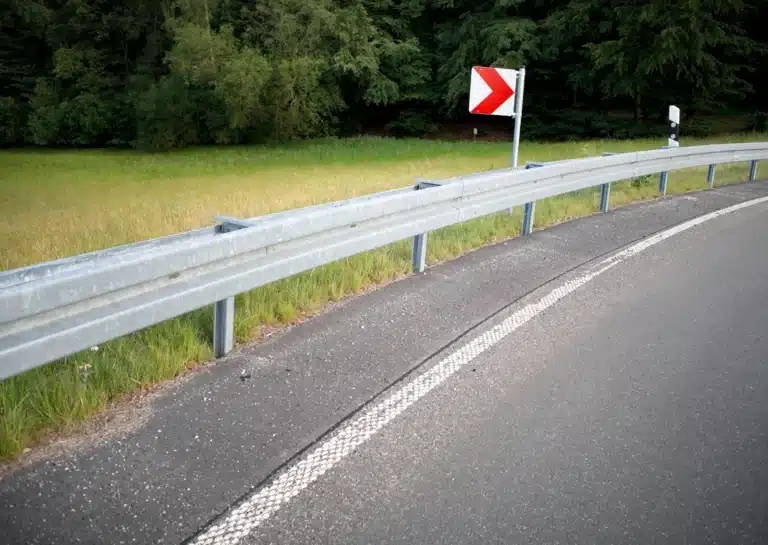
Driving near Salida is a different animal than cruising through a flatter Colorado town. Around here, one trip can take you from in-town stoplights to mountain grades, narrow shoulders, shifting weather, and stretches where a small mistake can grow legs fast. We also think it is important to keep both feet on the ground. Some roads near Salida clearly deserve extra caution, but not every bold claim online is backed by airtight local data. That is why we are focusing on the roads and intersections that create the biggest driving challenges in real life, along with the road hazards and conditions that can catch you off guard if you are not paying close attention.
Quick Answer: High-Risk Roads and Intersections Around Salida, Colorado
The roads near Salida that usually call for the most caution include US 50 over Monarch Pass, the US 50 and US 285 connection near Poncha Springs, US 285 near Poncha Pass, and County Road 306 toward Cottonwood Pass when it is open. In most cases, the real risk comes from steep grades, changing weather, limited recovery room, and driver decision-making, which means defensive driving matters more than memorizing one “worst” road.
What “Dangerous” Really Means on Roads Near Salida
When we call a road dangerous, we are not just talking about how many crashes happen there. Near Salida, danger often comes from how little room you have to recover when something goes wrong. A route can be risky because of steep grades, tight shoulders, fast weather swings, or the simple fact that one bad decision has nowhere to hide.
We usually look at a few layers:
- Crash frequency, or how often trouble shows up
- Crash severity, or how serious the outcome is
- Road design, including curves, grades, shoulders, and sightlines
- Driving conditions, such as ice, wind, rain, or loose gravel
- Driver behavior, including speed, distraction, or misjudging the right of way
That matters because a mountain road does not need a giant pile of crashes to be unforgiving. Sometimes the bigger story is how quickly the stakes rise when conditions turn sour.
Roads and Corridors Near Salida That Call for Extra Caution
Some roads near Salida ask a little more of you, plain and simple. They are not all dangerous in the same way, but they each bring their own flavor of challenge.
US 50 over Monarch Pass
- This is the big one for many drivers. You are dealing with elevation, long grades, fast-changing weather, and stretches where traction can go sideways in a hurry. If you are not prepared, this road can humble you quickly.
US 50 between Salida and Poncha Springs
- This corridor may look easier on paper, but traffic flow changes, turning movements, and speed transitions can still keep you on your toes. It is one of those roads where defensive driving tips actually pay rent.
US 285 near Poncha Pass
- This route is less dramatic than Monarch Pass, but it can still catch drivers napping. Wind, winter conditions, wildlife, and open-road complacency can all stir the pot.
US 50 and US 285 near Poncha Springs
- Where major routes meet, decision-making gets heavier. You have turning traffic, trucks, changing speeds, and drivers trying to sort things out on the fly.
County Road 306 toward Cottonwood Pass
- When this road is open, it can be beautiful and demanding at the same time. Narrower sections, mountain terrain, changing surfaces, and limited cell service mean you need to keep your wits about you.
The thread running through all of them is the same. Around Salida, the road can look calm one minute and start asking hard questions the next.
Intersections and Connection Points Where Drivers Need to Slow Down and Think Ahead
Not every risky spot near Salida looks dramatic. Sometimes the trouble starts where roads come together and drivers have to make quick choices with very little margin for error. That is why we encourage you to pay special attention at the connection points, not just the long stretches in between.
US 50 and US 285 near Poncha Springs
- This is one of the biggest decision points in the area. You may have through traffic, turning traffic, larger vehicles, and drivers trying to sort out where they need to be at the same time. If you rush this kind of intersection, it can bite back.
US 50 and Poncha Boulevard / CO 291
- This area blends highway movement with local traffic, business access, and lower-speed turns. That mix can make things feel busy in a hurry, especially when drivers are trying to enter or exit without much patience.
Downtown crossings along the former SH 291 segment
- In town, the challenge changes. You are watching for side-street turns, pedestrians, and closer spacing between intersections. This is where you really need to respect the right of way and keep your speed in check.
US 50 access points east and west of Salida
- These areas may seem straightforward, but speed differences and limited sightlines can make turning or merging more demanding than drivers expect.
The best approach is a simple one: slow down early, keep scanning, and never assume the other driver has it all figured out.
What the Examples Miss: How Route Ownership, Closures, and Maintenance Change Your Risk
A lot of articles talk about dangerous roads like the road itself is the whole story. Around Salida, that only gets you halfway there. Who manages the road, how it is maintained, and whether it stays open year-round can all change the driving experience.
Here are a few things that matter more than people realize:
- Some routes change hands between state and local control, which can affect how they are managed
- Mountain roads like Cottonwood Pass follow seasonal closure and maintenance patterns
- A road may be technically open but still demand much more caution because of weather, traction, or debris
That is why we tell drivers not to rely on yesterday’s assumptions. Near Salida, the safest move is to treat road conditions like living, breathing things. They can change faster than you think.
Seasonal Hazards That Change the Drive Fast Near Salida
Near Salida, the seasons do not just change the view. They change the rules of the road. A route that feels easy on a blue-sky afternoon can turn into a different beast when temperature, moisture, or traffic shifts.
Winter – Snow, ice, and packed slush can raise the stakes quickly, especially on higher routes and shaded stretches. Bridges, curves, and downhill sections deserve extra respect. This is the season when defensive driving is not optional. It is the whole ballgame.
Spring – Freeze-thaw cycles can leave behind loose debris, rough pavement, and soft shoulders. Runoff can also create messy spots that look harmless until you are right on top of them.
Summer – Warm weather brings more visitors, more RVs, more bikes, and more afternoon storms. A road can go from dry to slick in no time flat, and congestion can sneak up on scenic routes.
Fall – Cooler mornings, early snow surprises, and shorter daylight hours can all catch drivers leaning the wrong way.
No matter the season, the safest habit is to check conditions first and drive like the road may have a few surprises up its sleeve.
A Safer Salida-Area Trip Starts Before You Leave the Driveway
A good mountain drive usually starts before the engine ever turns over. Around Salida, a little prep can save you a heap of trouble later.
Before you head out, run through this short checklist:
- Check COtrip and the weather before you leave
- Confirm whether your route is open, especially on seasonal mountain roads
- Fuel up before longer stretches where services may be limited
- Pack water, layers, and a charged phone
- Download offline maps if cell service may drop out
- Leave extra following distance on grades and descents
- Use lower gears instead of riding your brakes downhill
We always tell students the same thing: the more prepared you are, the less likely you are to get caught flat-footed when the road starts asking harder questions.
Where to Check Live Conditions, Crash Data, and Route Details
If you want the straight story before you drive, lean on sources built for the job.
A good place to start includes:
- COtrip for live road conditions, closures, cameras, and travel alerts
- CDOT crash data resources for broader statewide safety information
- CDOT roadway and project pages for updates on major routes and intersections
- County road information for seasonal closures and local road status
We always encourage you to check the facts before you head into the hills. A quick look at current conditions can save you from learning the hard way.
Final Thoughts on Dangerous Roads and Intersections to Watch Near Salida, CO
The point of this guide is not to scare you off Salida’s roads. It is to help you understand where the drive demands more from you and why. Steep grades, changing weather, busy connection points, and seasonal road hazards can all raise the stakes, but a calm driver with a good plan is already ahead of the game. If you want extra support building safe habits and more confidence behind the wheel, Anshor Driving School offers driving lessons and testing, and you can reach the team by phone or contact form before your next trip.