
Colorado’s Updated Traction Law: What It Means for You This Winter
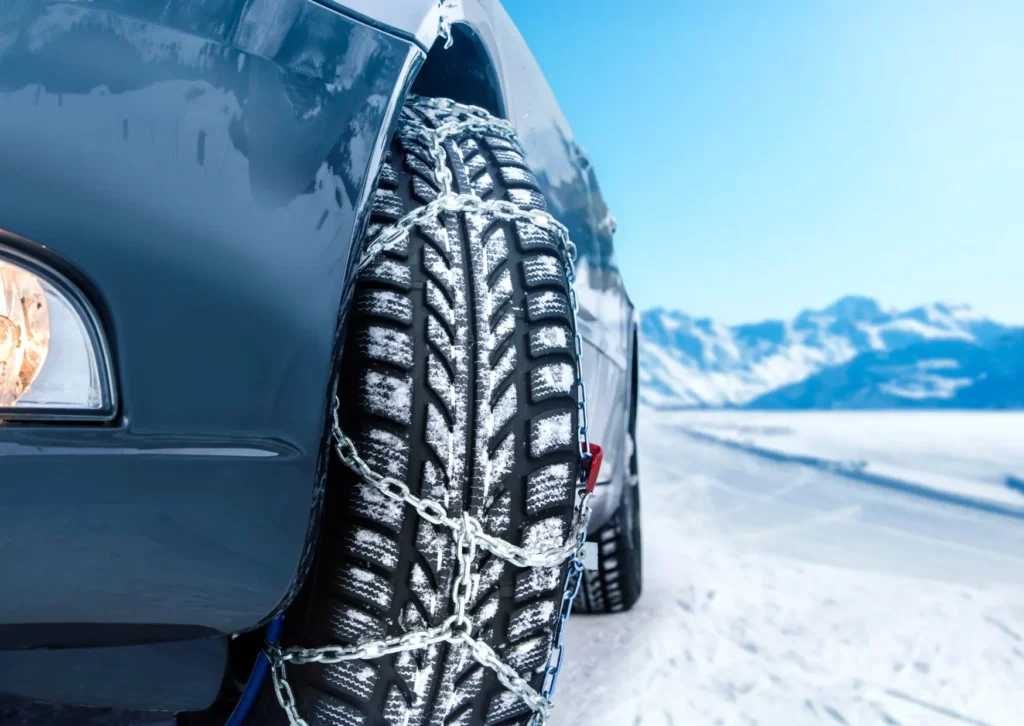
Anshor Driving School spends a lot of time teaching defensive driving, but winter in Colorado adds a second layer: you can do everything “right” behind the wheel and still end up stuck, sliding, or blocking a lane if your vehicle is not equipped for the conditions. That’s exactly why the Colorado Department of Transportation updated its Passenger Vehicle Traction (PVT) rules for the 2025 season, and why enforcement during storms is getting more direct and more visible. This is not just “mountain driving advice.” CDOT can activate the Traction Law on any state highway when weather and road conditions require it. On the I-70 Mountain Corridor, the Traction Law is also in effect each year from September 1 through May 31. If you’re a new driver, a parent helping a teen, or an adult who simply does not drive the mountains often, understanding the requirements now will save you stress when the overhead signs light up. Quick Answer: Colorado’s Updated Traction Law and What You Need To Know This Winter Colorado’s Traction Law can be activated on state highways during winter conditions. AWD or 4WD vehicles may comply with properly rated tires and at least 3/16-inch tread. For 2WD vehicles, compliance typically requires carrying chains or an approved traction device, and installing them when restrictions are active. What the Traction Law Requires During Storms CDOT’s updated guidance is simple on paper, but the details matter. When the Passenger Vehicle Traction Law is active, 4WD and AWD vehicles can comply with qualifying tires (3/16-inch tread and the proper rating) or by using chains or an approved ATD, and under current Colorado State Patrol guidance tied to SB25-069, 2WD vehicles are expected to use chains or an approved ATD rather than relying on tires alone. AWD/4WD with tires that have at least 3/16-inch tread depth and are rated as all-weather, mud and snow (M+S / M&S / M/S), or winter tires (3PMSF mountain-snowflake icon), or Chains or an approved Alternative Traction Device (ATD) on two or more drive tires The big change that catches people off guard is how two-wheel drive (2WD) is treated under the updated rules explained by the Colorado State Patrol: From September 1 to May 31, 2WD vehicles on the I-70 Mountain Corridor must carry chains or an approved ATD. When the Traction Law is active, 2WD vehicles must have chains or an ATD installed on two or more drive tires. Under current Colorado State Patrol guidance for SB25-069, upgrading to M+S or winter-rated tires does not bring a 2WD vehicle into compliance by itself when the Passenger Vehicle Traction Law is active. That last point matters for a lot of small sedans and compact cars, especially if you’re focused on defensive driving. Tires help, but for 2WD, Colorado State Patrol guidance under SB25-069 is clear that “tires only” is not the compliance path when the law is active. When Traction Law Turns Into Chain Law During severe winter storms, CDOT may implement the Passenger Vehicle Chain Law as a final safety measure before a highway is closed. When that Chain Law is in effect, every vehicle must have chains or an approved alternative traction device. In other words, don’t assume AWD saves you from chains in the worst conditions. The escalation path exists specifically because storms can overwhelm even well-equipped vehicles. How Enforcement Works (and How You’ll Know It’s Active) Drivers are alerted through: Roadway signage, including electronic message boards and overhead signs COtrip.org road condition updates and travel alerts Text and email alerts through CDOT’s subscription tools (plus other public messaging) Practically speaking, “enforcement” starts with the signs. When the overhead signs indicate the law is in effect, the expectation is that you’re already equipped and, if required, already chained up. And yes, there are real penalties. CDOT lists passenger-vehicle fines for noncompliance as a $100 fine plus a $33 surcharge, and says failures that result in a travel lane closure can include a $500 fine plus a $157 surcharge, and Colorado State Patrol also notes that winter-restriction penalties for chain-law and must-carry violations can be up to a $500 fine plus a $79 surcharge, or $1,000 plus a $157 surcharge if you’re stuck and blocking any traveled portion of the roadway. The Anshor Winter Readiness Checklist We Teach Whether you drive near Greeley, Alamosa, Salida, La Junta, or head into the high country, this is the prep we want our students to do before the first major storm. (And if you’re teaching a teen, do it together so they know where everything is.) Check your drivetrain. If you’re 2WD, plan on chains or an approved ATD as your compliance tool when the Passenger Vehicle Traction Law is active, based on current Colorado State Patrol guidance. Check tire type and tread depth. For AWD/4WD, confirm the tire rating and that you have at least 3/16-inch tread. Carry chains or ATDs, and practice installing them. The side of the road in a snow squall is not where you want your first attempt. Monitor conditions before you leave. Use COtrip and don’t “hope it clears” if restrictions are spreading. Give plows room and respect winter operations. CDOT reminds drivers to give snowplows space and stay back several car lengths behind them. Colorado’s traction rules are not meant to punish drivers. They’re meant to prevent the most common winter failure point: one unprepared vehicle losing traction and turning a bad weather day into a multi-hour closure. If you want help building true winter-driving confidence, our behind-the-wheel lessons focus on real-world decision-making, including how to plan routes, read conditions, and avoid the common mistakes that show up every storm cycle. Final Thoughts on Colorado’s Updated Traction Law and What Drivers Need This Winter Winter driving in Colorado is not just about skill, it’s about preparation. Knowing when the Traction Law applies, what your vehicle must carry, and how to respond when signs light up helps you stay safe and keep roads moving. If you want calm, real-world coaching, book behind-the-wheel lessons at Anshor Driving School.

Anshor Driving School spends a lot of time teaching defensive driving, but winter in Colorado adds a second layer: you can do everything “right” behind the wheel and still end up stuck, sliding, or blocking a lane if your vehicle is not equipped for the conditions. That’s exactly why the Colorado Department of Transportation updated […]