
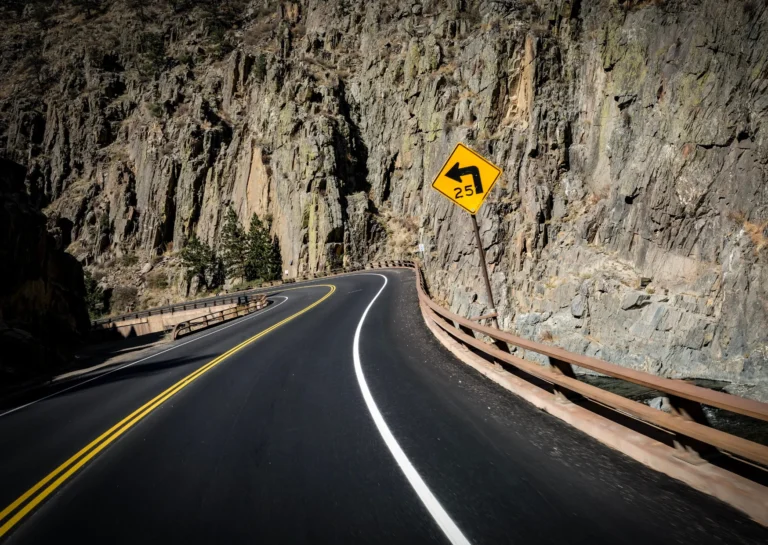
Driving near Alamosa is not quite the same as driving in a bigger city or winding through a mountain resort town. Out here, you are more likely to face long rural stretches, sudden weather shifts, wildlife near the roadway, and busy in-town corridors that can catch drivers off guard. We also need to be careful not to dress up guesswork as fact.
Public CDOT resources can show broad crash patterns, but exact road and intersection totals should come from a clearly cited crash dataset, whether that is CDOT data or a local agency source. With that in mind, we’re focusing on the roads and intersections that deserve extra caution, plus the road hazards that can change a routine drive in a hurry.
Quick Answer: Dangerous Roads and High-Risk Intersections Around Alamosa, CO
The roads and intersections near Alamosa that deserve the most caution are usually the busiest parts of US-160 through town, rural highway approaches on routes like US-160 and US-285, and travel corridors such as CO-150 that can bring changing traffic, weather, and visibility conditions. In plain English, your safest bet is to treat these areas with a little extra patience, a little extra space, and solid defensive driving habits.
What We Can Say With Confidence, and What We Should Not Overclaim
When people look up the most dangerous roads near Alamosa, they usually want a straight answer. Fair enough. But we also should not put the cart before the horse.
What we can say is that some roads and intersections around Alamosa call for extra caution because of traffic flow, weather, visibility, and long rural stretches. What we should not do is present exact crash rankings unless those numbers come from a clearly cited local source.
A good safety article helps you make better choices behind the wheel. It does not try to win a poker game with cards it has not actually seen.
Roads and Corridors Around Alamosa That Call for Extra Caution
Some roads near Alamosa deserve a little more respect than others, not because we are trying to scare you, but because the driving conditions can change quickly.
US-160 through Alamosa
- This is one of the main corridors drivers use in town, and it brings together local traffic, turning vehicles, business access, and signalized intersections. When traffic bunches up, small mistakes can snowball fast. This is where defensive driving matters most.
US-160 outside town
- Once you leave the busier in-town stretch, the road can feel open and easy. That is exactly when drivers sometimes get too comfortable. Higher speeds, long distances, fatigue, and sudden road hazards can catch you flat-footed.
US-285 approaches near Alamosa
- These areas often involve transitions from rural driving into busier movement patterns. You may see more turning traffic, speed changes, and drivers trying to judge gaps on the fly.
CO-150 toward Great Sand Dunes
- This route can bring a mix of local traffic, visitors, changing weather, and seasonal travel. If you are heading that way, give yourself a little extra time and keep your head on a swivel.
Seasonal Hazards That Change the Risk Picture Fast
The roads around Alamosa do not need much to change their mood. One season hands you snow and black ice. Another throws dust in your face and dares you to see straight. That is why we always tell students to match their driving to the conditions, not to the speed limit sign alone.
Winter – Cold mornings and freeze-thaw cycles can make roads slick before trouble is obvious. Bridges, shaded areas, and less-traveled stretches can stay icy longer than you expect. Give yourself more stopping distance and ease into every move.
Spring – Wind is no small thing in the San Luis Valley. Dust can sweep across rural roads and cut visibility in a hurry. If the road starts disappearing into a haze, slow down and keep both hands on the wheel.
Summer – Afternoon storms can turn a normal drive into a messy one. Wet pavement, standing water, and changing visibility all raise the stakes.
A few defensive driving tips go a long way here:
- Check the weather and road conditions before leaving
- Slow down when visibility drops
- Leave more space than you think you need
Wildlife, Fatigue, and Visibility: the Risks Listicles Usually Miss
Some of the biggest driving risks near Alamosa are the ones that do not always make flashy headlines.
Wildlife crossings – Animals move most often around dawn and dusk, and a quiet stretch of road can get busy fast. Scan the shoulders, not just the lane ahead.
Driver fatigue – Long rural drives can lull you into autopilot. That is where careless driving starts to creep in, even when you do not mean for it to. If you feel yourself zoning out, it is time to reset.
Low visibility – Dust, snow, rain, and darkness can all shrink the space you have to react. When you cannot see well, you cannot drive like everything is normal.
We encourage you to think one step ahead. Safe driving is not just about reacting well. It is about noticing the red flags before they turn into real road hazards.
Before You Drive: a Local Pre-Trip Safety Checklist for Alamosa-Area Routes
Before you head out, it helps to take one minute and get your ducks in a row. Around Alamosa, a little prep can save you from a long, stressful drive later.
Use this quick checklist before you leave:
- Check COtrip and the weather forecast for road conditions, closures, and traction alerts
- Fill your tank before longer rural drives, where services may be sparse
- Give yourself extra time if you are driving in the early morning, at dusk, or during changing weather
- Charge your phone and let someone know your route if you are heading farther out
- Pack for the season, especially in winter, when cold weather can turn small problems into big ones
We always tell our students that safe driving starts before the key even turns. It is not flashy, but it works.
Where to Check Live Conditions and Verify Local Crash Information
If you want the best shot at staying ahead of the curve, use sources that are built for the job.
Start here:
- COtrip for live road conditions, closures, and travel alerts
- National Weather Service for forecasts and changing weather patterns
- CDOT crash data resources for broader safety data and information about requesting more detailed records
That way, you are not driving on rumor, stale advice, or somebody else’s bad guess. You are working from information that helps you make smarter choices on the road.
Final Thoughts on Roads and Intersections to Watch Near Alamosa, Colorado
Driving around Alamosa is less about bracing for the worst and more about staying alert to what the road is telling you. If you give yourself more time, more space, and a little patience when conditions shift, you will usually put yourself in a much better position to avoid trouble. And if you want extra support building confidence behind the wheel, Anshor Driving School encourages drivers to reach out through its contact form or call or text the Alamosa location directly.