
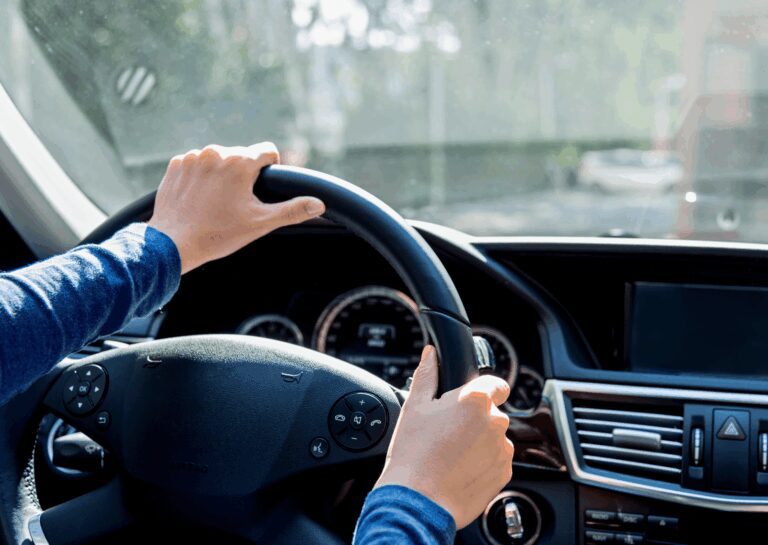
Learning to drive in Greeley can feel exciting one minute and overwhelming the next. There are neighborhood streets, busy intersections, and long stretches of open road, and it is not always obvious where a brand-new driver should start. That is where a little planning goes a long way.
When you match the right practice spot to your current skill level, every drive becomes more focused and less stressful. In this guide, we will walk you through how to choose safe, low-stress places to practice so you can build good habits and solid defensive driving skills from day one.
Quick Answer: Best Places to Practice Driving in Greeley
If you are just getting started in Greeley, begin in large, mostly empty parking lots during off-hours to practice basic steering, braking, and turning without pressure. As you gain confidence, move to quiet residential streets with low speed limits, then to slightly busier city and rural roads where you can gradually add traffic, lane changes, and more complex situations.
Before You Practice – Colorado Permit Rules & Safety Basics
Before you ever pull out of the driveway, it helps to double-check a few basics. In Colorado, you are expected to have a solid foundation in both the rules and the routine. Here is what that looks like in simple terms:
- Have the right permit.
- You need a valid instruction permit before you drive, and it must be with you every time you get behind the wheel.
- You need a valid instruction permit before you drive, and it must be with you every time you get behind the wheel.
- Drive with the right adult.
- A licensed driver who is at least 21 years old should always be in the front passenger seat when you practice with a permit, and they must hold a valid Colorado driver’s license. Think of them as your in-car coach, there to help you spot hazards early and talk through each situation as it comes up. Think of them as your in-car coach.
- A licensed driver who is at least 21 years old should always be in the front passenger seat when you practice with a permit, and they must hold a valid Colorado driver’s license. Think of them as your in-car coach, there to help you spot hazards early and talk through each situation as it comes up. Think of them as your in-car coach.
- Aim for your required hours.
- If you are under 18, Colorado requires you to log at least 50 hours of supervised driving, including 10 hours at night, before you can get your license. That means every calm, focused practice drive counts toward that total and gives you one more chance to build solid habits.
- If you are under 18, Colorado requires you to log at least 50 hours of supervised driving, including 10 hours at night, before you can get your license. That means every calm, focused practice drive counts toward that total and gives you one more chance to build solid habits.
- Make seat belts non-negotiable.
- Buckle up before the car moves, and make sure everyone else does too. It is one of the simplest safety habits you can build.
- Buckle up before the car moves, and make sure everyone else does too. It is one of the simplest safety habits you can build.
- Respect speed limits and signs.
- Follow posted limits, slow down for corners, and actually look at the signs around you. This is how you train your eyes to stay ahead of trouble.
- Follow posted limits, slow down for corners, and actually look at the signs around you. This is how you train your eyes to stay ahead of trouble.
- Put the phone away.
- No texting, scrolling, or “just checking something really quick.” Staying unplugged in the driver’s seat is one of the best ways to avoid common driving hazards.
- No texting, scrolling, or “just checking something really quick.” Staying unplugged in the driver’s seat is one of the best ways to avoid common driving hazards.
How to Choose a Safe Practice Spot in Greeley
Not every stretch of pavement is a good classroom. A safe practice spot in Greeley usually has low speed limits, light traffic, and good visibility in all directions. Look for clear lane markings, room to pull over if you need a break, and minimal blind corners or sharp hills. Before you drive there, take a quick lap as a passenger or check the area on a map so you are not surprised by construction zones, school zones, or tricky intersections.
Safe Practice Driving Spots Around Greeley, CO
Once you know what to look for in a safe practice area, it helps to have a few real places in mind. Think of these locations as starting points you can explore together, not rules you have to follow. Always drive with a licensed adult, watch for changing traffic or events, and follow any posted signs about parking or private property.
Larger Parking Lots to Start With (Off-Hours Only)
When you are just getting comfortable behind the wheel, big, open lots are your best friend. They give you room to make mistakes without pressure.
- Island Grove Regional Park parking areas – This large park near N 14th Ave offers wide paved areas and public parking. Aim for quieter weekday mornings or non-event days so you are not dealing with fair or festival traffic.
- City park lots like Twin Rivers Park, Sanborn Park, Bittersweet Park, and Greeley West Park – These parks on the west side of Greeley usually have paved lots with clear lane markings and good visibility. During slower times (not during games or weekend rush), they are great for gentle starts and stops, smooth turns, and basic parking practice.
- School and church lots (with permission when needed) – Many schools and churches around Greeley have wide, striped lots that sit mostly empty in the evenings or certain weekends. Have your supervising adult check the posted rules and respect any restrictions before you practice there.
In these lots, keep your speed low, drive simple loops, and use the painted lines to practice staying centered in your lane. Let’s take it one step at a time.
Calm Neighborhood Loops Near Parks
Once parking lots feel easy, you can move to nearby neighborhoods with low speeds and simple intersections. This is where you start to blend skills together.
- Neighborhoods around Bittersweet Park, Sanborn Park, and Greeley West Park – These residential areas often have four-way stops, sidewalks, and shorter blocks. They are ideal for practicing full stops, checking for pedestrians, and making controlled right and left turns.
- Highland Park West area – This established neighborhood in west Greeley tends to have calmer, residential traffic compared to busy commercial streets. With an adult next to you and daylight on your side, it can be a comfortable place to run slow, supervised loops.
Start with a small loop; you can repeat a few times instead of constantly switching streets. Repetition builds confidence.
How to Use These Spots in a Safe Progression
To keep practice sessions structured and calm, you might:
- Warm up in a park or campus-style lot with 15–20 minutes of starts, stops, and wide turns.
- Move to one nearby neighborhood loop with low speed limits and clear stop signs.
- Finish back in a quiet lot where you can practice parking, backing up, and talking through what went well and what you want to work on next time.
Driving should feel empowering, not overwhelming. When you match these Greeley practice spots to your current comfort level, each drive becomes a manageable step instead of a high-pressure test. And if you ever feel stuck or unsure what to practice next, that is exactly what our instructors at Anshor Driving are here to help with. We’re with you from start to finish.
Best Places for Very New Drivers – Empty Lots & Campuses
When you are just getting started, we want your practice space to feel calm, not chaotic. Big, open lots are perfect for that. Here is how to use them well:
- Choose wide, quiet lots.
Look for large school lots, church lots, or office lots during off-hours when there are only a few cars parked around the edges. The fewer obstacles, the easier it is to focus.
- Start with the true basics.
Use these spaces to practice:
- Gentle starts and smooth stops
- Keeping the wheel steady
- Turning without cutting corners or drifting out of your “lane”
- Use the painted lines as your guide.
Treat the painted parking stripes like training wheels:
- Drive between them to practice staying centered
- Pull into a space so you can learn where your car sits within the lines
- Add simple backing and parking drills.
Once driving forward feels more natural, mix in:
- Backing straight out of a space
- Backing into a space at a slow, controlled pace
- A little early parallel parking practice with lots of extra room
- Keep this stage low-pressure.
Think of parking lots as your warm-up zone: low speed, low stress, and lots of repetition. The goal here is comfort and control, not perfection.
Quiet Neighborhood Streets to Build Everyday Skills
Once you are steady in big parking lots, we like to move things onto calm neighborhood streets. This is where everyday driving really starts to take shape. Here is how to make the most of those areas:
- Pick the right kind of neighborhood.
Look for residential streets with:
- Low speed limits
- Four-way stops or simple intersections
- Just a light amount of traffic, not a constant stream of cars
- Build everyday safety habits.
Use these streets to practice:
- Checking for pedestrians at corners and crosswalks
- Watching for cars backing out of driveways
- Making smooth, complete stops instead of “almost stopping”
- Use a consistent visual routine.
At every intersection, practice a steady pattern:
- Look left
- Look right
- Look left again before you go
This helps you avoid rolling through just because the road looks quiet at first glance. - Learn how parked cars change the picture.
Pay attention to how parked cars affect:
- Your lane position (you might need to nudge slightly left without crossing the center line)
- Your visibility when you pull out from a stop sign or driveway
- Repeat familiar loops to grow confidence.
Drive the same few blocks several times:
- Focus on staying calm and patient
- Ignore the pressure to “keep up” with other drivers
- Notice how each lap feels a little smoother than the last
These quiet neighborhood routes are where you turn basic car control into real-world driving skills, one small loop at a time.
Stepping Up: City Streets, Rural Roads & Night Driving
Once basic neighborhood driving feels steady, it is time to gently turn up the difficulty. On city streets, start with calmer times of day so you can practice timing green lights, judging yellow lights, and making safe lane changes without feeling rushed. Focus on reading traffic flow early instead of waiting until the last second. When you try rural or county roads, you will notice higher speeds, stronger winds, and longer gaps between intersections.
Use that space to practice holding a steady speed, leaving extra following distance, and watching for animals or farm equipment near the shoulder. Later on, add short stretches of night driving on routes you already know well. At night, your headlights, mirrors, and patience become your best defensive driving tools.
Design Your Own “Mini Test Route” Around Greeley
Instead of driving around randomly, it helps to create a simple loop that works like your own practice test. Start with a quiet residential block where you can ease into the drive with a few turns and stop signs. Then, build in a segment that leads to a slightly busier road so you can practice lane changes, speed adjustments, and choosing the right gap in traffic.
Add a safe spot for a turn into a parking lot, where you can practice parking, backing up, and checking your surroundings before rejoining the road. Finally, end your route at a wide, calm street where you can pull over, take a breath, and talk through what went well and what you want to try differently next time.
Weather and Seasonal Tips for Northern Colorado Practice
Up here in Northern Colorado, the weather doesn’t always stick to the script. It should play a big role in how you plan your practice drives. Here is a simple way to think about it:
- Winter: Snow, Ice, and Slush
- Start in empty parking lots after the plows have been through so you can:
- Feel how the car reacts to gentle braking on packed snow or slush
- Practice slow, controlled turns without traffic around you
- Feel how the car reacts to gentle braking on packed snow or slush
- Avoid these at first:
- Steep hills
- Busy intersections or high-speed roads
- Steep hills
- Keep your speeds lower and give yourself extra stopping distance until you’re comfortable.
- Start in empty parking lots after the plows have been through so you can:
- Spring & Fall: Slick Roads and Changing Light
- Watch out for:
- Wet roads after a sudden rain
- Wet leaves that can be as slick as ice
- Glare and shifting light at sunrise and sunset
- Wet roads after a sudden rain
- Choose practice times where you are not fighting both traffic and weather at the same time.
- Watch out for:
- Summer: Clear Roads but Busier Streets
- Take advantage of:
- Longer daylight hours for early-morning or early-evening practice
- Longer daylight hours for early-morning or early-evening practice
- Be ready for more activity around you:
- Pedestrians and kids outside
- Bicycles and scooters
- Construction zones and lane shifts
- Pedestrians and kids outside
- Build in extra patience and space so you are not crowding other road users when things get busy.
- Take advantage of:
When you match your practice plan to the season, you learn how to handle the car and the conditions at the same time, without feeling like you are in over your head.
Helpful Tools, Apps & Local Help in Greeley
A few simple tools can make your practice time go further. Map apps help you plan routes ahead of time so you are not guessing at turns in the moment. Online permit practice tests and the state driver handbook let you review signs, signals, and right-of-way rules between drives.
You can also find apps or short videos that share practical driving tips, like how to scan for hazards or set up safe following distance. Whatever tools you use, keep them as support, not distractions: plan before you shift into gear, then put the phone away and focus fully on the road.
Final Thoughts on Safe Spots to Learn and Practice Driving in Greeley, CO
Learning to drive in Greeley is not about doing everything perfectly on day one; it is about steady progress in the right places. When you move from empty lots to neighborhoods, then to busier streets at your own pace, you give yourself room to grow. Stay patient, keep your focus on defensive driving instead of speed or road rage, and remember that every calm, thoughtful practice drive builds the kind of confidence that lasts.
When you’re ready for a bit more support, you don’t have to figure it out alone. Our instructors in Greeley can sit beside you, help you choose safe routes, and coach you through each new step so driving feels empowering, not stressful.
If you’re ready to schedule a lesson or just want to ask a few questions before you start, contact Anshor Driving School in Greeley today. We’re with you from start to finish.